

Lately, our morning rhythm with a toddler has been feeling heavier than I’d like.
Not chaotic.
Not unmanageable.
Just… draining.
And I’ve learned over time that when something in our day starts to feel like that, it’s usually not a sign that I need to try harder or be more organised. It’s often an invitation to pause, notice, and gently adjust.
Mornings hold so much weight in family life. They set the tone for everything that follows. When mornings feel rushed or tense, that energy tends to carry through the rest of the day. When they feel grounded and spacious, even if nothing else goes to plan, we seem to recover more easily.
So rather than pushing through and hoping things settle on their own, I’ve been reflecting on our mornings – what’s supporting us, what’s not, and what might need softening right now.
Reflection as a Rhythm Practice (Not a Fix)

This practice of reflection comes largely from Waldorf-inspired rhythm principles. In Waldorf education and family life, rhythm isn’t about rigid routines or perfect schedules. It’s about creating a predictable, breathing pattern to the day – one that supports the nervous system and allows children (and parents) to feel safe and oriented.
Just as importantly, rhythm is understood to be alive. It’s meant to change as children grow, seasons shift, and family circumstances evolve. Reflection is part of that living rhythm.
Instead of asking, “How do I make this work?”
I try to ask, “What is this moment asking for?”
That mindset alone changes how I approach our mornings.
Creating Space to Notice What Isn’t Working
Before I adjust anything in our rhythm, I try to create a small moment of pause.
Not a formal review, or a detailed plan – just a quiet check-in. Often it’s with a cup of tea at the table, once the morning has moved on a little, and I can feel into how it actually went.
I ask myself simple questions:
- Where did the energy feel strained?
- Where did things flow more easily?
- What felt supportive – and what quietly drained me?
This kind of noticing doesn’t require a system or a tool. It starts with attention.
In Waldorf-inspired rhythm work, observation comes before action. Rather than jumping straight to solutions, we’re invited to see what is happening – without judgement – and let understanding arise naturally.
Sometimes the noticing alone is enough. Other times, it gently points me toward one small thing that might need to shift.
I’ve found that when I give myself permission to pause and reflect, rather than pushing through discomfort, the answers tend to come more easily – and with far less force.
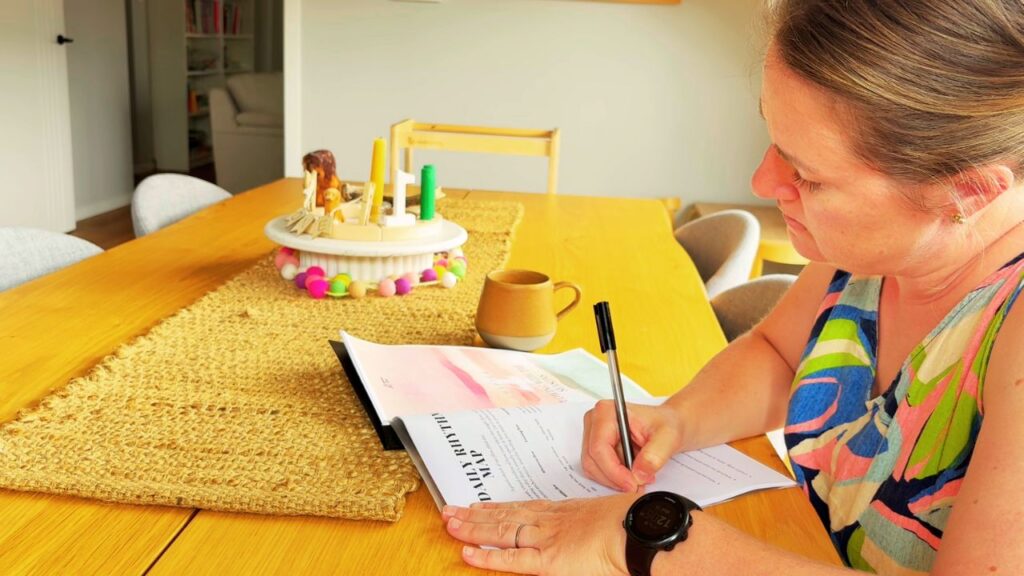
What I’m Adjusting in Our Morning Rhythm Right Now
1. Slowing the Start – Even When Time Feels Tight
One of the first things I noticed was how rushed our mornings had become, even when we technically had enough time.
Trying to move too quickly – from waking up, to getting dressed, to breakfast – was creating unnecessary friction.
So I’m experimenting with allowing more space at the very beginning of the day:
- staying in bed a little longer
- moving more slowly between activities
- not stacking too many expectations into the first hour
What I’ve noticed already is that slowing the start doesn’t make us less productive – it actually makes the rest of the morning flow more smoothly.
2. Simplifying Breakfast to Support the Rhythm
Breakfast has been another area I’ve reflected on.
Too many choices, or meals that require more effort than I have first thing in the morning, were quietly adding stress – even if I didn’t consciously register it at the time.
I’ve been simplifying breakfast so it feels:
- predictable
- nourishing
- easy to prepare
This doesn’t mean boring or repetitive in a negative way. In Waldorf philosophy, repetition is seen as deeply comforting for young children. Familiar meals can be regulating rather than limiting.
If you’re interested, I’ve shared more about this in my post on toddler breakfasts, where I talk about gentle, nourishing options that support calmer mornings.
3. Letting Go of an “Ideal” Morning Schedule
Another quiet adjustment has been releasing the idea of a perfect start time.
Some mornings, my toddler wakes earlier. Other mornings, later. Some days he’s ready to engage straight away, and other days he needs more time to come into himself.
Instead of forcing our rhythm to fit an idealised schedule, I’m allowing it to breathe a little more:
- following his cues more closely
- allowing transitions to take the time they take
- trusting that flexibility can coexist with rhythm
This shift alone has reduced a lot of tension – mostly in me.
4. Adding More Grounding Moments
Waldorf rhythm places a strong emphasis on grounding experiences, especially in the morning. Activities that involve the body and the senses help children settle into the day.
Right now, that looks like:
- getting outside early when possible
- simple movement
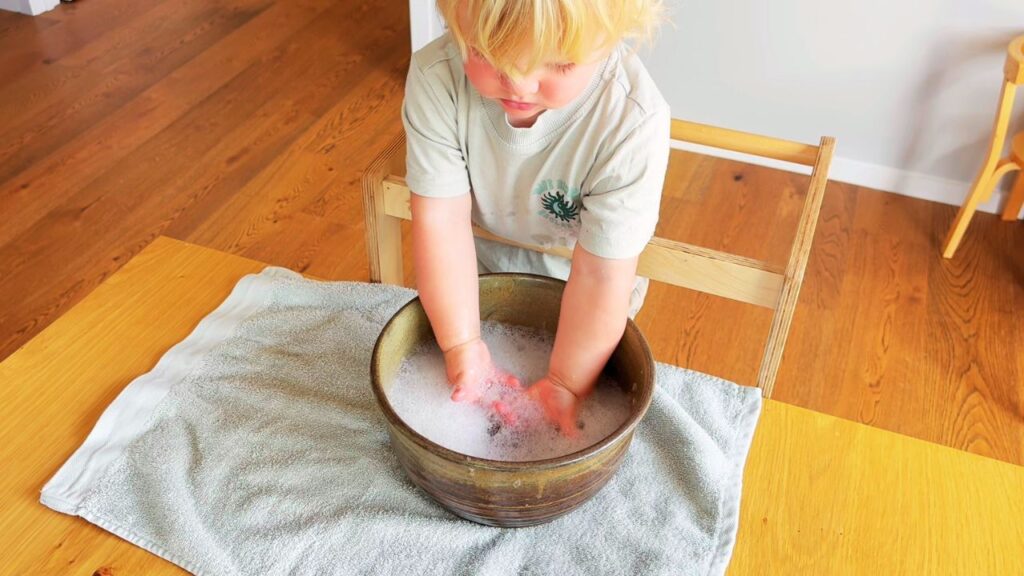
- slow, practical activities like washing hands or helping prepare food
These moments don’t need to be educational or productive. Their value lies in how they feel.

Why These Small Adjustments Matter
None of these changes are dramatic on their own. But together, they’re shifting the tone of our mornings.
What I’m noticing is:
- less resistance
- fewer power struggles
- more steadiness in the hours that follow
Most importantly, mornings are starting to feel supportive again – not something to get through, but something to settle into.
That’s always my marker. When a rhythm supports us rather than depletes us, it’s usually a sign that it’s working.
Rhythm as an Ongoing Conversation
One of the things I appreciate most about a rhythm-based approach is that it treats family life as a conversation, not a checklist.
There will be seasons when our mornings need more structure. Others when they need more softness. Reflection allows us to respond rather than react.
This is why I wrote and come back to my Family Flow Rhythm Guide again and again – not to plan the “perfect” day, but to stay in relationship with the one we’re living.
A Gentle Invitation
Over time, I’ve found that having a simple framework makes this kind of reflection feel more natural and less mental.
Tools like my Family Flow Rhythm Guide have helped me turn reflection into a regular, gentle practice – something I return to without overthinking, especially when a part of our day starts to feel heavy.
Rather than telling me what to do, it gives me a place to notice, adjust, and explore alternatives that suit our family as we are right now.
If you’re feeling called to reflect on your own mornings, whether that’s with a notebook, a quiet moment to yourself, or a gentle rhythm guide, the invitation is the same: listen first, then adjust with care.

What to Read Next
If you’re finding yourself drawn to slower, more supportive mornings, you might enjoy exploring these next:
Gut Friendly Breakfast Made Simple with Real Food
Simple, nourishing breakfast ideas that reduce decision fatigue and support a steadier start to the day.
(This post goes deeper into how food fits into a gentle morning rhythm.)
Creating Calmer Days with Toddlers: A Simple Rhythm That Brings Balance
When days feel unpredictable or draining, rhythm can offer quiet support. This post explores how simple daily anchors can bring more steadiness and ease to life with a toddler.
Calm Start to the Year (Video)
A reflective look at how our mornings, rhythms, and days are settling right now – shared through real moments of family life.
(If you haven’t watched the video that inspired this post, this is a lovely place to begin.)
The Family Flow Rhythm Guide
If reflecting on your mornings feels helpful, this gentle guide offers a simple framework for noticing what’s working, what isn’t, and how to adjust with care – without rigid routines.
Wherever you land next, may it support you in creating mornings that feel steadier, softer, and more aligned with your family.
[…] Morning Rhythm with a Toddler: What I’m Adjusting Right NowA reflective look at how small shifts in our morning rhythm have supported calmer, more connected days – without rigid routines. […]